
One monitoring platform, every kind of structure
Bridges, buildings, tunnels, dams and slopes age and move in different ways. Here is what goes wrong in each, and how SURVIOT helps you see it early.

Know how your bridge is ageing, not just how it looks
Bridges carry more traffic and heavier loads than many were designed for. Visual inspections every few years can miss slow changes that matter.
Typical problems
- Settlement or scour at piers and abutments.
- Excessive deflection and vibration under heavy traffic.
- Bearing and expansion joint wear.
- Cracking and fatigue in decks and girders.
How SURVIOT helps
Sensors measure movement, tilt and vibration around the clock. The platform compares readings with your thresholds, sends an alert when something drifts, and builds the reports your inspectors need. Load tests and long-term monitoring end up in the same place.
Sensors
- GNSSPOD for vertical movement and tilt of decks and pylons.
- Inclinometers and tiltmeters on piers and abutments.
- Accelerometers for vibration and dynamic response.
- Crackmeters and strain gauges on critical joints and members.
- Robotic total stations for geometry checks.
Protect buildings and their neighbours during construction and in use
New excavations, tunnelling or heavy traffic next to existing buildings put them at risk. Older buildings need watching too, especially when cracks appear.
Typical problems
- Differential settlement of foundations.
- Tilt of tall or slender buildings.
- Growing cracks in walls and slabs.
- Damage to nearby buildings caused by adjacent works.
How SURVIOT helps
You see settlement and tilt in near real time and can agree alert levels with owners and authorities in advance. If someone claims damage, you have the measurements to show what really happened.
Sensors
- Robotic total stations with prisms for settlement and horizontal movement.
- Tiltmeters for building tilt.
- Crackmeters across existing cracks.
- GNSSPOD for tall buildings with open sky above them.
- Accelerometers for vibration from piling, blasting or traffic.

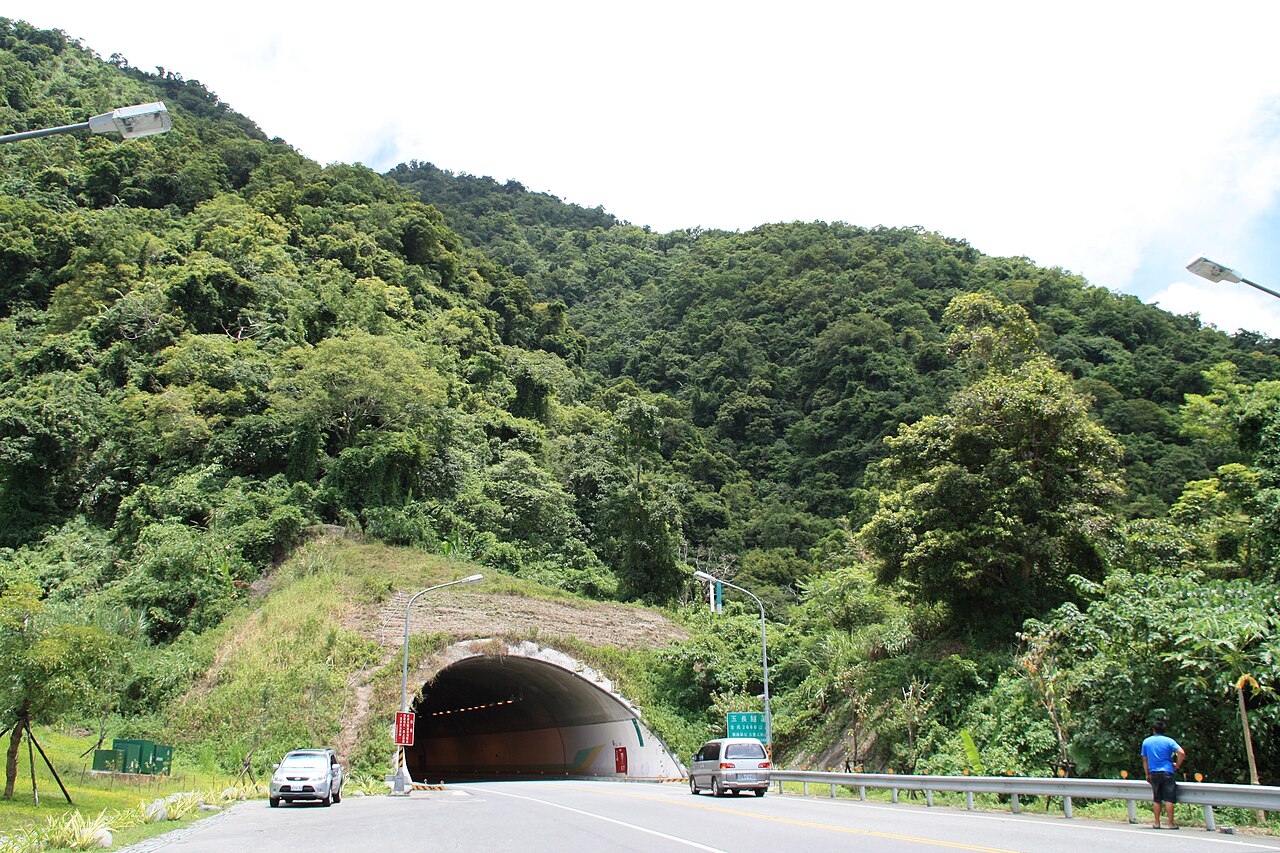
Watch the ground and the lining, from excavation to operation
Tunnelling changes the ground around it. During construction the question is how much the surface and nearby structures move. Later it is how the lining and the surrounding rock behave.
Typical problems
- Surface settlement above the tunnel.
- Convergence of the tunnel profile.
- Water ingress and changing groundwater levels.
- Lining cracks and deformation in operation.
How SURVIOT helps
We proved this on the M85 motorway tunnel in Sopron, where the system tracked deformation, convergence, surface movement and groundwater in real time. Data from many sensors lands on one dashboard, so the site team reacts to trends instead of surprises.
Sensors
- Robotic total stations for convergence and surface points.
- Inclinometers and extensometers in the surrounding ground.
- Piezometers and water level sensors for groundwater.
- Crackmeters and strain gauges on the lining.
- SENSOPOD data loggers where cabling is impractical.
Early warning for structures where failure is not an option
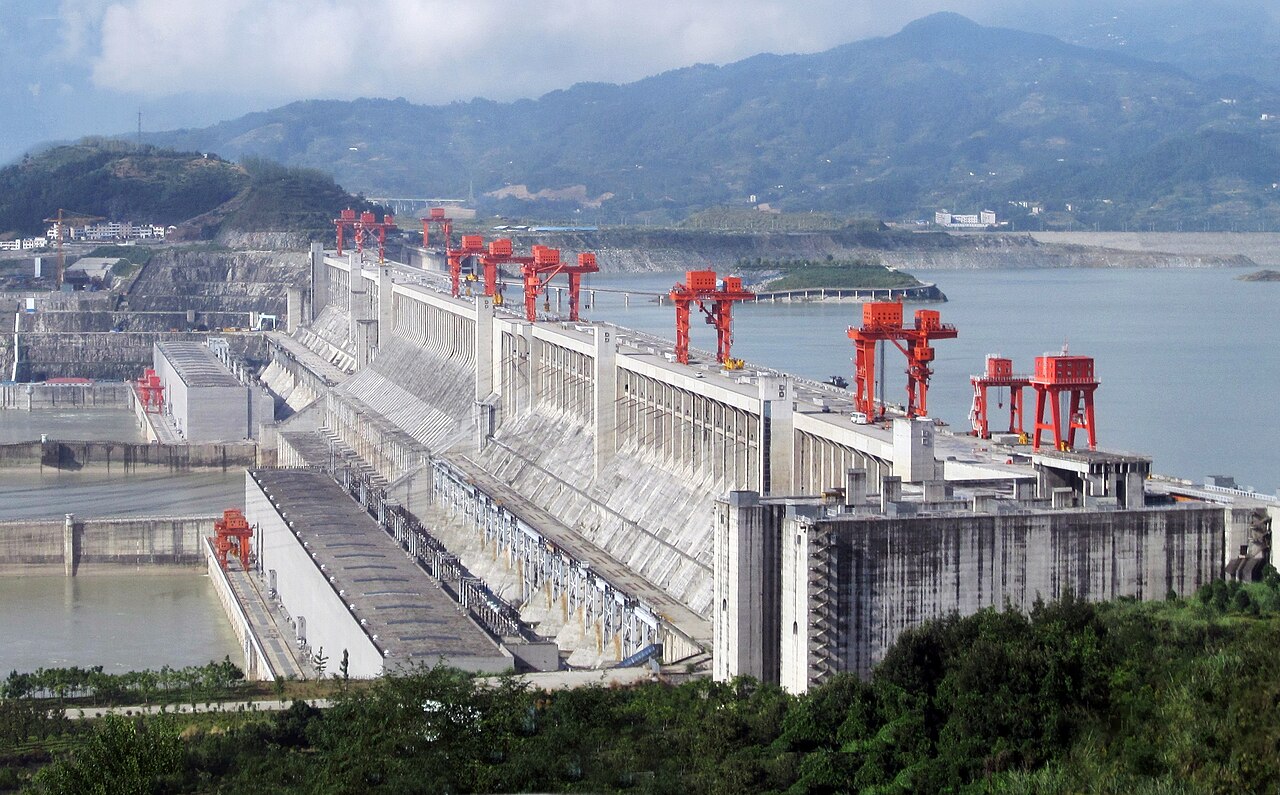
Dams hold back enormous loads for decades. Safety rules require continuous observation, and small changes can be the first sign of a developing problem.
Typical problems
- Crest settlement and horizontal displacement.
- Seepage and rising pore pressure in the dam body and foundation.
- Cracking and joint opening in concrete dams.
- Slope instability around the reservoir.
How SURVIOT helps
Automatic measurement replaces manual rounds in hard to reach places and gives you a continuous record. Alerts reach the responsible engineers as soon as a reading crosses a limit.
Sensors
- GNSSPOD for crest displacement and settlement.
- Piezometers for pore pressure and seepage.
- Inclinometers in the embankment and abutments.
- Crackmeters and joint meters on concrete sections.
- SENSOPOD to bring existing instruments online.
Detect slope movement before it reaches roads, rail and homes
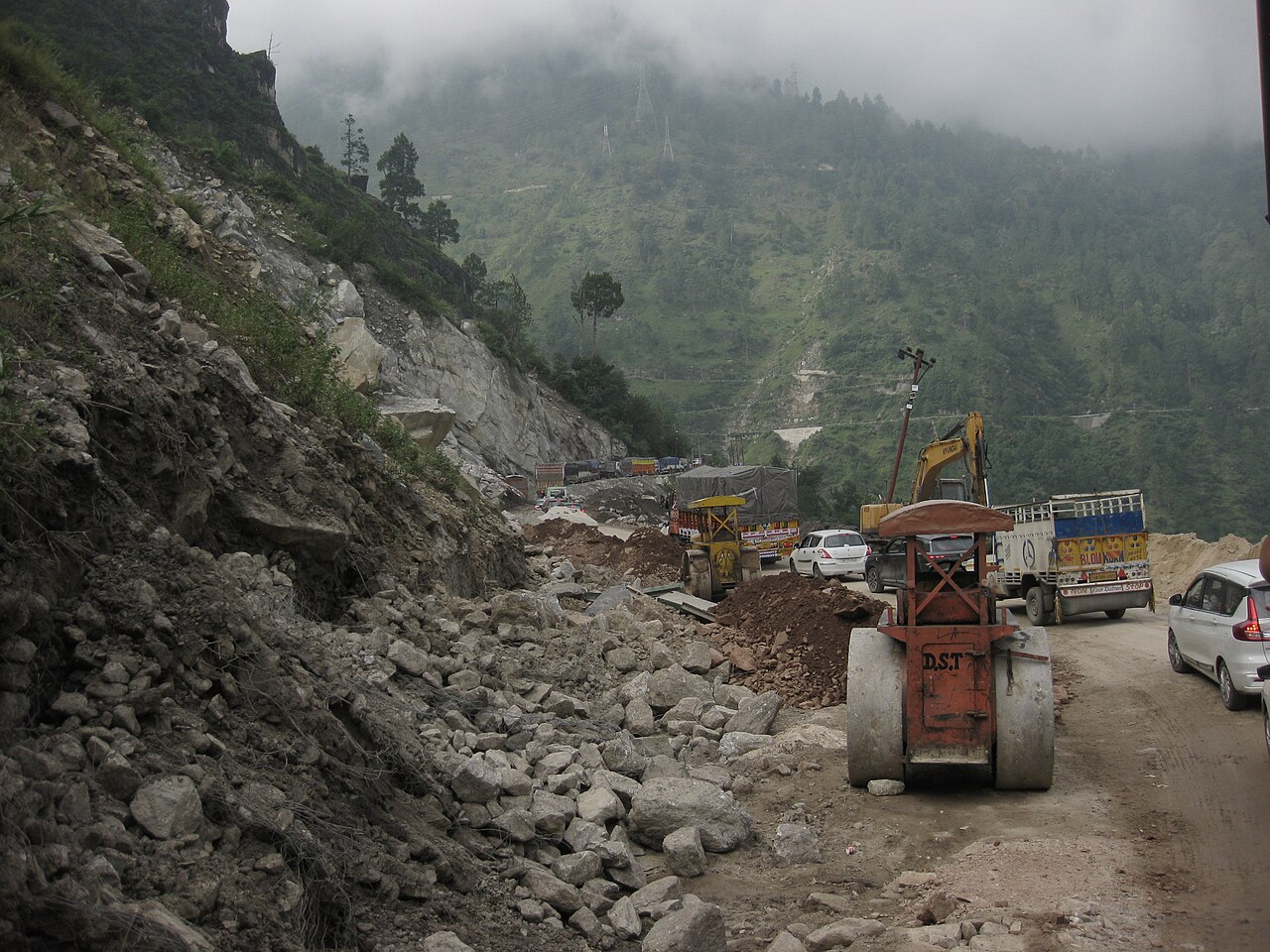
Heavy rain, erosion and construction can destabilise a slope. The movement is often slow at first and then accelerates, so the early warning is worth a lot.
Typical problems
- Slow creep that turns into sudden failure after heavy rain.
- Rising groundwater in the slope.
- Damage to roads, railways and retaining walls below or on the slope.
- Remote locations with no power or network.
How SURVIOT helps
Solar powered sensors report from places where no cable reaches. We applied this in the GeoNetSee project and on the Anna-hegy slope pilot site. You set alert levels, and the platform tells you when movement speeds up.
Sensors
- GNSSPOD for ground movement and tilt.
- In-place inclinometers in boreholes.
- Piezometers and rain gauges.
- SENSOPOD for remote, battery powered data collection.
Tell us about your structure
Describe what you want to monitor and we will suggest a sensor setup and show you the platform with your own use case.